Founder Story
I built SmileMatch around a problem I lived with every day.
Even in my own clinic, treatment plans could remain unresolved simply because there were too many patients, notes, decisions, and follow-ups to keep in mind. Across multiple clinics, that problem becomes much larger.
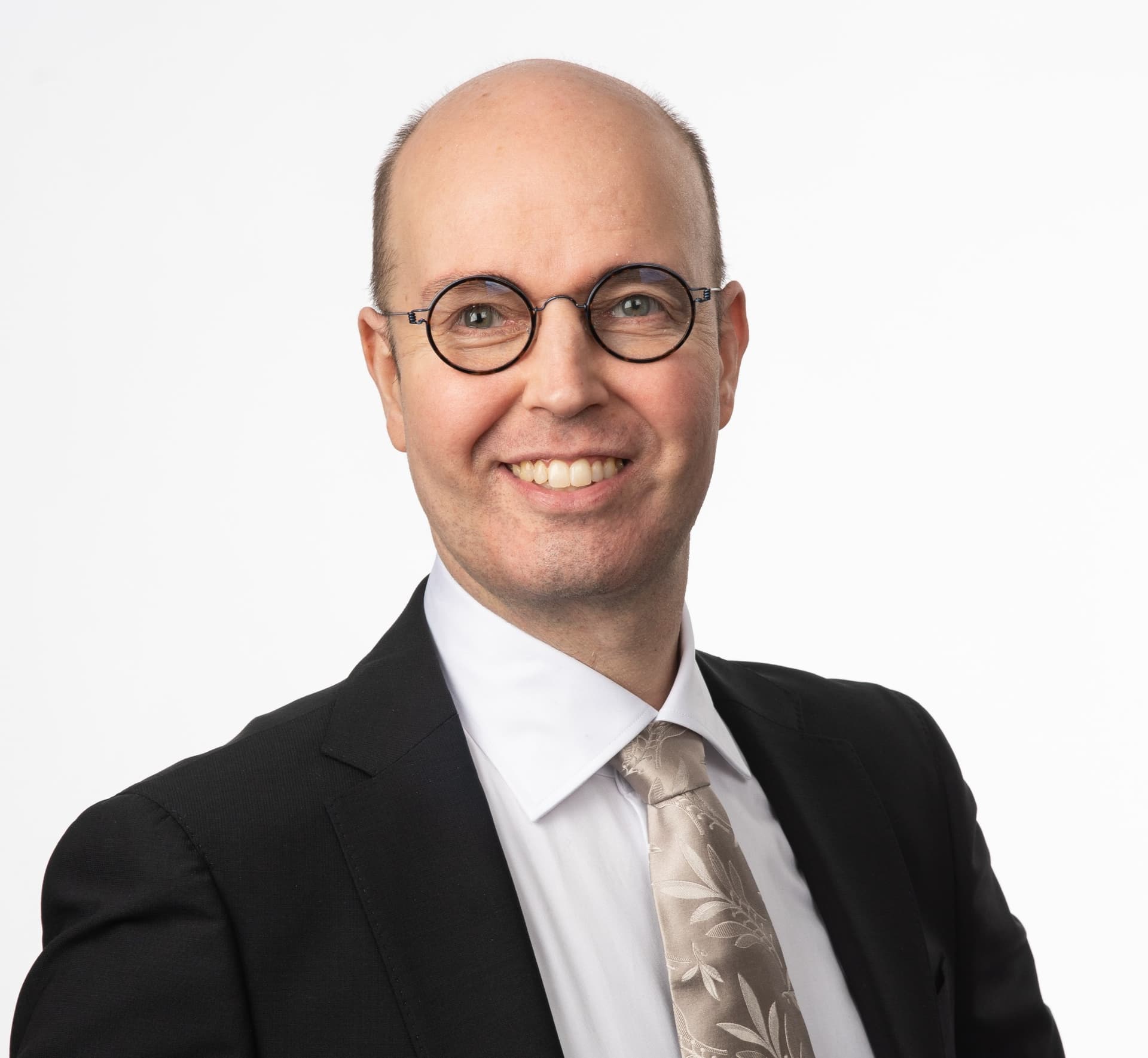
I studied business at Aalto University, dentistry at the University of Helsinki, and began my career as a management consultant at Accenture. Consulting taught me to look for operational problems that can be made visible and measurable. Dentistry showed me one repeatedly: treatment is proposed, postponed, changed or started — and some cases quietly stop progressing.

The problem I saw
The problem was not creating treatment plans. It was keeping track of what happened next.
For more than twenty years I built and ran my own dental clinic, treating thousands of patients, many requiring complex esthetic and implant rehabilitation.
Even in a one-chair practice, I could lose track of hanging cases. A patient postponed treatment, did not schedule the next stage, or a plan changed — and unless I remembered to return to it, the opportunity could disappear into the record.
The information usually existed somewhere. The difficult part was reconstructing the treatment journey and knowing which patient genuinely needed attention now. If that is difficult for one dentist, imagine the visibility problem across 5, 10 or 20 clinics.
The realization
“If I could lose track of unresolved treatment in one clinic, what happens across 20?”
That became the starting point for SmileMatch. Not another system for creating more data, but a way to use records clinics already have to reconstruct treatment journeys and surface the cases that may deserve attention.
Business
Business training and management consulting taught me to connect operational problems to measurable outcomes.
Clinical
More than two decades in clinical practice and clinic ownership showed me how easily unresolved treatment can disappear into everyday workload.
SmileMatch
SmileMatch analyzes existing records to show WHO needs attention, WHY, and WHAT to do next.
What we are proving now
Find treatment plans falling through the cracks.
SmileMatch is focused on one core feature first: the Open Treatment Plan Analyzer. It analyzes existing patient records and treatment plans, reconstructs the treatment journey, and identifies unresolved treatment that may deserve attention.
The current question is deliberately practical: can SmileMatch find cases a dental group considers genuinely relevant, help the team choose a concrete next action, and create enough recurring value that they want to keep using it?
Existing records → WHO → WHY → WHAT NEXT.
We are validating SmileMatch with dental groups using a small sample of existing records.